

Blog
Food Warming Mat vs. Food Warming Tray: Which One Is Best for Your Dining Table?


Keeping home-cooked meals at the perfect serving temperature can be a challenge during family dinners, holiday gatherings, and Sunday buffets. Cold food loses its flavor, texture, and appeal quickly. Fortunately, modern kitchen technology offers two convenient solutions: Food Warming Mats and Food Warming Trays.
While both appliances aim to maintain food heat without drying it out or continuing the cooking process, they cater to distinctly different kitchen needs, dining habits, and aesthetic preferences.
In this comprehensive buying guide, we break down the key differences between warming mats and trays, analyzing heating efficiency, materials, cleaning effort, and overall value to help you make the right choice for your home.
What Is a Silicone Food Warming Mat?
A food warming mat is an electric heating appliance typically crafted from high-grade, flexible silicone. Engineered for maximum portability, these mats can easily roll up or fold flat when not in use.
Ideal Use Cases:
-
- Studio apartments or kitchens with limited storage space
-
- Quick weekday dinners and casual family meals
-
- Portable use for office lunches or RV camping
-
- Secondary heating surface for small side dishes
What Is a Tempered Glass Food Warming Tray?
A food warming tray is a rigid heating platform usually made from toughened tempered glass or heavy-duty ceramic. Designed to stay flat on dining tables and countertops, warming trays function as both an essential kitchen tool and an elegant serving centerpiece.
Ideal Use Cases:
-
- Large family gatherings and festive holiday dinners (Thanksgiving, Christmas)
-
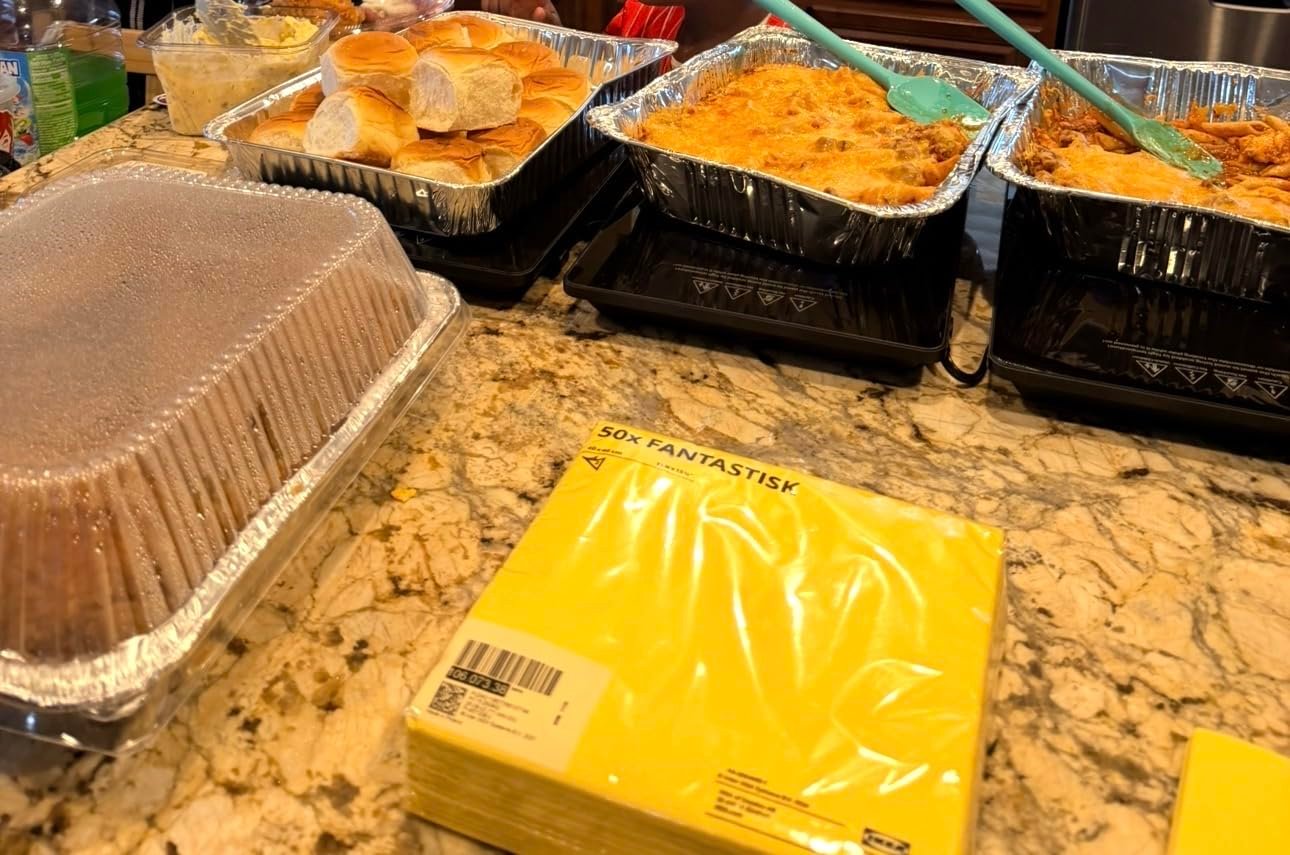
- Party hosting, catering, and home buffet setups
-
- Modern dining rooms requiring a stylish table presentation
-
- Simultaneous warming of multiple heavy serving pots, pans, and ceramic dishes
Side-by-Side Comparison: Feature Overview
To give you a clear head-to-head evaluation, here is how both options stack up across critical performance factors:
| Feature / Criteria | Silicone Food Warming Mat | Tempered Glass Food Warming Tray |
|---|---|---|
| Primary Material | Flexible Food-Grade Silicone | Toughened Tempered Glass |
| Heating Performance | Good (Gentle, surface-level heat) | Excellent (Uniform, stable heat retention) |
| Temperature Precision | Basic to Multi-level | Precision multi-stage controls |
| Surface Durability | Flexible; susceptible to stains over time | High scratch resistance; long-lasting |
| Cleaning & Care | Easy (Wipeable, may hold oil residue) | Effortless (Wipe-clean glass surface) |
| Weight Capacity | Moderate (Best for lightweight cookware) | High (Supports heavy iron pots & casseroles) |
| Aesthetic Value | Simple & Functional | Sleek, Modern & Premium |
| Storage Advantage | Rollable for tight drawers | Flat-profile; elegant enough to stay on display |
Key Differences: How to Choose the Right Product
1. Heating Uniformity & Thermal Stability
Food warming trays feature specialized heating elements embedded beneath tempered glass, delivering consistent, edge-to-edge warmth. This design maintains steady temperatures across large serving dishes—such as roast turkeys, large casseroles, or soup tureens—without thermal dead zones.
Silicone mats perform well for smaller items, but their soft surface can buckle under heavy cookware, occasionally creating inconsistent heat transfer.
2. Surface Material, Maintenance & Hygiene
-
- Silicone Mats: While water-resistant, silicone can absorb oil, curry, or tomato sauce stains after prolonged exposure. Deep cleaning may require specialized dish soaps to fully remove greasy residue.
-
- Tempered Glass Trays: Glass is non-porous and stain-proof. Spills and grease wipes off instantly with a damp cloth or microfiber towel, making post-dinner cleanup fast and hassle-free.
3. Table Aesthetics & Dining Presentation
If you love entertaining guests, presentation matters. A premium tempered glass warming tray blends seamlessly with contemporary dining tables, marble countertops, and festive decor. Rather than appearing as a utility appliance, it acts as an elevated tabletop warmer that keeps your presentation polished.
Why the GOUKA Food Warming Tray Is the Ultimate Kitchen Investment
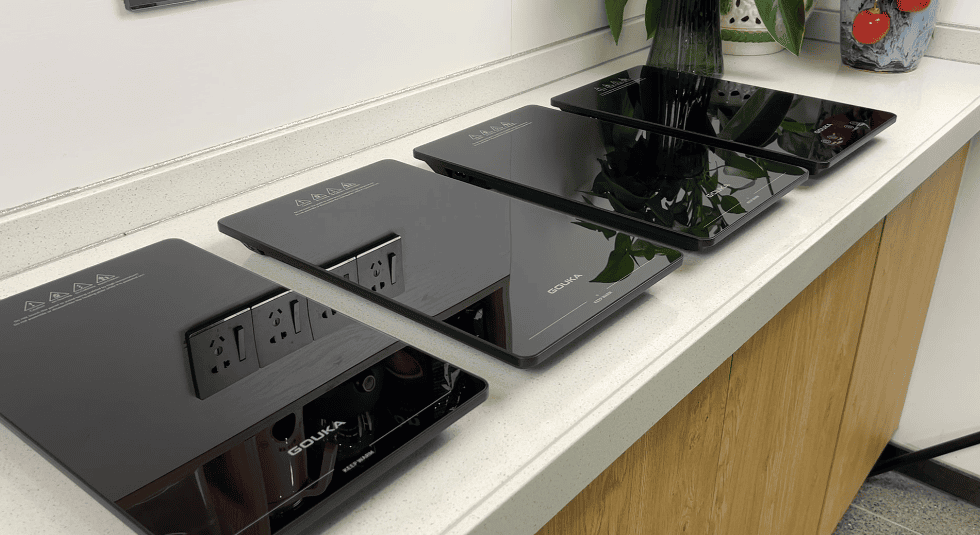
If you are looking for an upgrade that balances professional performance with modern design, the GOUKA Food Warming Tray stands out as a top choice.
Key Highlights of the GOUKA Warming Tray:
-
- Premium Tempered Glass Surface: Engineered for maximum durability, heat resistance, and easy maintenance.
-
- Precision Temperature Control: Multiple heat levels allow you to preserve delicate gravies, maintain warm breads, or keep soups steaming hot.
-
- Large Serving Surface: Designed with expanded heating zones to comfortably fit multiple full-sized pots and pans simultaneously.
-
- Energy-Efficient Operation: Uses significantly less power than keeping an oven on warm mode, saving energy while preserving food moisture and flavor.
-
- Sleek Minimalist Aesthetics: Fits naturally into modern homes, from casual family meals to formal holiday buffets.
The Final Verdict: Which One Should You Buy?
Both options excel at keeping food at warm serving temperatures, but they suit different lifestyles:
-
- Choose a Food Warming Mat if: You live in a compact apartment with very limited drawer space, prioritize lightweight portability, and only need to keep 1–2 small dishes warm during routine meals.
-
- Choose a Food Warming Tray if: You host friends and family, prepare multi-dish meals, value effortless wipe-clean maintenance, and want a durable, elegant appliance that complements your home decor.
For most households looking for a reliable, multi-purpose warmer that delivers both function and style, investing in a premium tempered glass tray like the GOUKA Food Warming Tray is the superior long-term choice.
Frequently Asked Questions (FAQ)
Can a food warming tray replace traditional chafing dishes or buffet servers?
Yes! Electric warming trays eliminate the need for open flames, water pans, or messy Sterno cans. They offer a cleaner, safer, and faster setup for home buffets.
Will a food warming tray continue to cook my food?
No. Warming trays are specifically engineered to maintain safe serving temperatures (typically between 120°F and 200°F / 50°C to 95°C) without raising the internal temperature enough to overcook or dry out food.
Are tempered glass warming trays safe on wooden or marble dining tables?
Yes, high-quality models like the GOUKA warming tray feature integrated insulated feet or heat-shielded bottoms that protect sensitive table surfaces from heat damage.
